













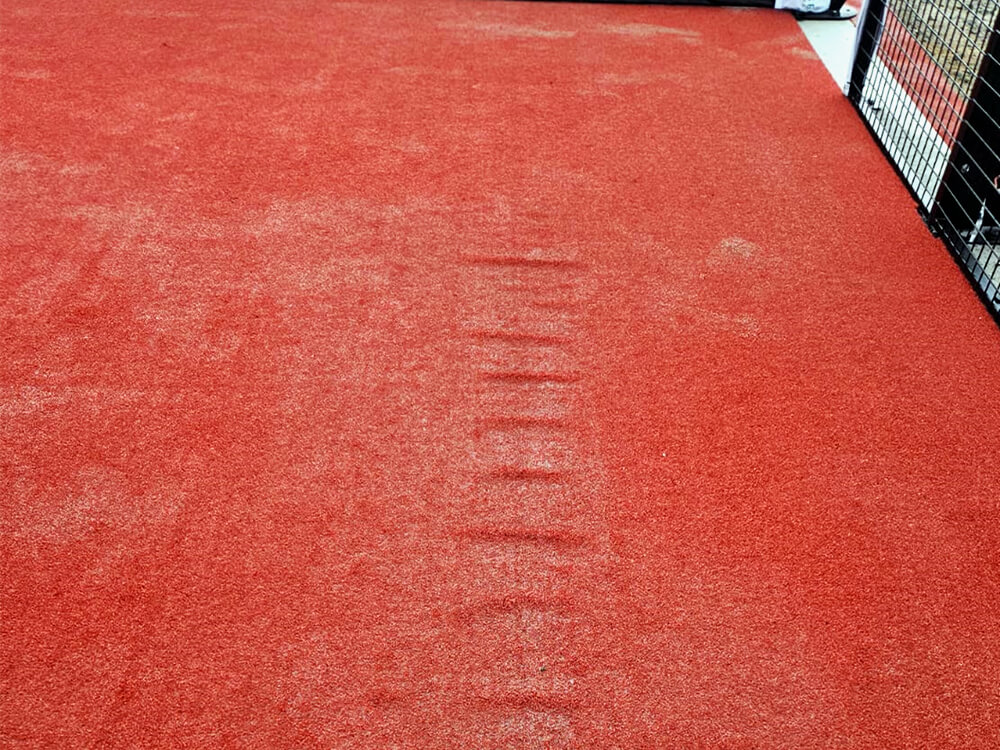
Các nếp nhăn, gợn sóng và vết gấp trên cỏ nhân tạo là những vấn đề thường gặp—đặc biệt là trong thời tiết nóng hoặc khi cỏ không được lắp đặt với độ căng thích hợp. Mặc dù các nếp nhăn trên cỏ có vẻ nghiêm trọng, nhưng chúng thường không đáng kể. có thể sửa chữa Nếu được xử lý đúng cách và kịp thời.
Trong hướng dẫn đầy đủ này, bạn sẽ học được:
- Tại sao cỏ nhân tạo lại bị nhăn?
- Hướng dẫn cách khắc phục nếp nhăn trên mặt cỏ từng bước một
- Cách phòng tránh nếp nhăn trong quá trình lắp đặt và sử dụng lâu dài
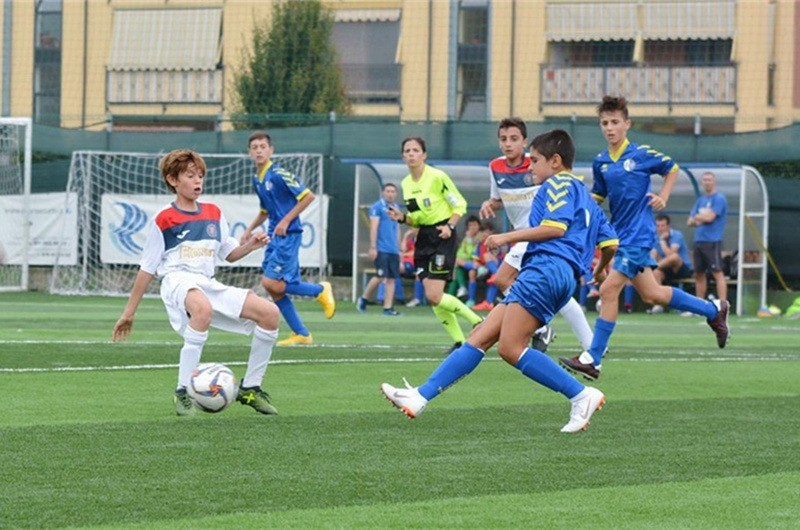
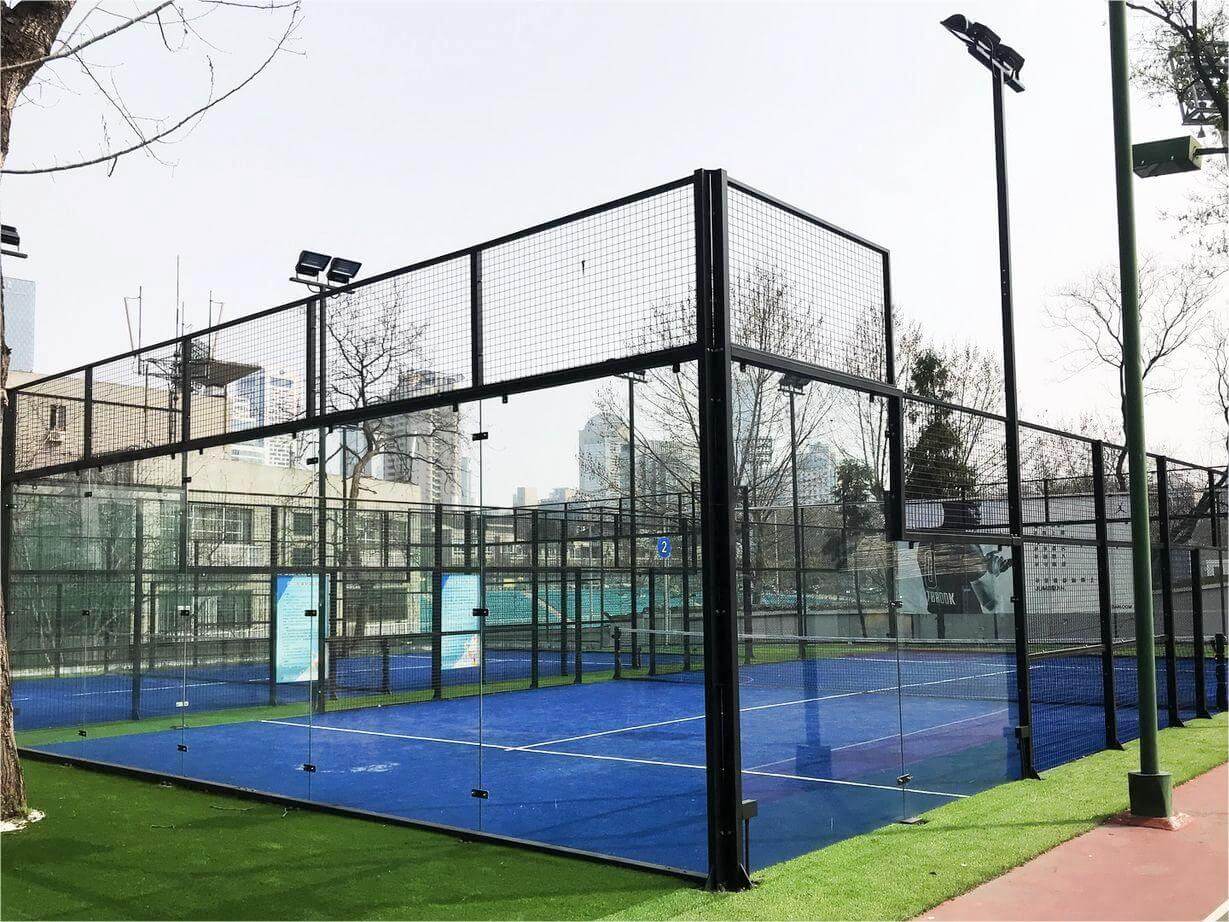
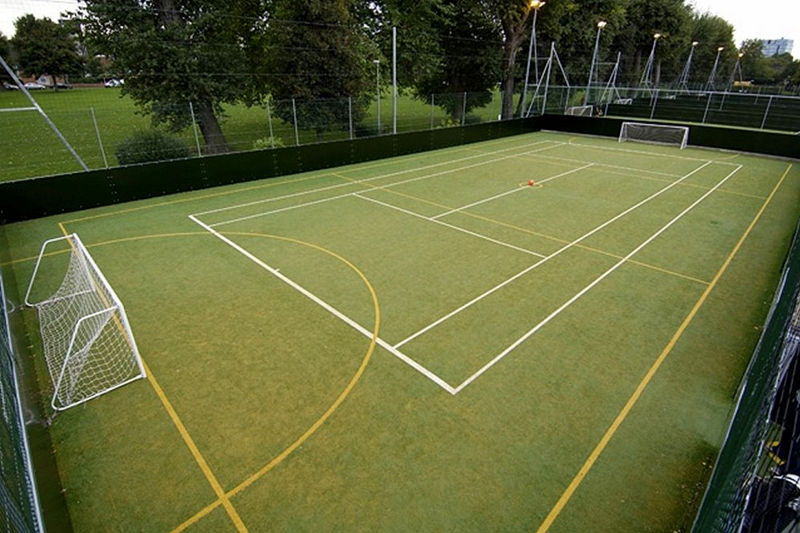
Hướng dẫn này áp dụng cho Cỏ dùng trong cảnh quan, sân vườn và nhiều ứng dụng sân thể thao khác..
Mục lục
- Các vết nhăn trên thảm cỏ nhân tạo: Hướng dẫn khắc phục nhanh
- Tại sao cỏ nhân tạo lại bị nhăn?
- Cách khắc phục nếp nhăn trên cỏ nhân tạo (Hướng dẫn từng bước)
- Các nếp nhăn trên mặt cỏ có thể trở nên vĩnh viễn không?
- Cách phòng ngừa nếp nhăn trên cỏ nhân tạo (Những biện pháp tốt nhất)
- Hướng dẫn khắc phục sự cố nhanh
- Câu hỏi thường gặp (FAQ)
- Giới thiệu về Arturf
Các vết nhăn trên thảm cỏ nhân tạo: Hướng dẫn khắc phục nhanh
Các nếp nhăn trên cỏ nhân tạo thường do giãn nở nhiệt, căng không đủ, cố định viền yếu hoặc lượng vật liệu lấp đầy không đủ. Để khắc phục nếp nhăn, hãy làm ấm thảm cỏ (1-2 giờ), loại bỏ vật liệu lấp đầy trong khu vực đó, nới lỏng các ốc vít, kéo căng thảm cỏ cho phẳng, cố định lại các cạnh (khoảng cách 150-300 mm), sau đó đổ lại và quét đều vật liệu lấp đầy. Để ngăn ngừa nếp nhăn, hãy tạo một lớp nền ổn định (độ nén 95-98%), để thảm cỏ thích nghi (2-24 giờ), kéo căng trong quá trình lắp đặt và sử dụng trọng lượng vật liệu lấp đầy chính xác (thường khoảng 5 kg/m² tùy thuộc vào loại cỏ).
Tại sao cỏ nhân tạo lại bị nhăn?
Các nếp nhăn trên cỏ nhân tạo thường xuất hiện do hệ thống cỏ chưa được ổn định hoàn toàn. Các nguyên nhân phổ biến nhất bao gồm:
1) Sự giãn nở và co lại do nhiệt
Lớp đế của cỏ nhân tạo sẽ giãn nở nhẹ dưới nhiệt độ cao và co lại khi nguội đi. Sự chuyển động tự nhiên này có thể tạo ra các gợn sóng nếu cỏ không được cố định và chèn lót đúng cách.
Điểm mấu chốt: Sự giãn nở do nhiệt là hiện tượng bình thường, nhưng nếp nhăn có thể tránh được nếu lắp đặt đúng cách.
2) Không kéo giãn đủ trong quá trình lắp đặt
Cỏ nhân tạo phải được lắp đặt trong điều kiện căng (tương tự như thảm). Nếu người lắp đặt bỏ qua bước căng hoặc vội vàng cố định, các nếp nhăn có thể xuất hiện ngay lập tức hoặc phát triển sau đó.
3) Lượng vật liệu lấp đầy (đá dằn) không đủ
Vật liệu lấp đầy cung cấp vật dằn, Điều này có nghĩa là nó làm tăng trọng lượng và độ ổn định để giúp giữ cho mặt cỏ bằng phẳng và chắc chắn.
Hệ thống vật liệu lấp đầy phù hợp giúp:
- Dùng vật nặng đè lên lớp lót cỏ.
- Giảm sự xê dịch và chuyển động
- Hỗ trợ các sợi và tăng cường độ đàn hồi
- Giảm nguy cơ hình thành nếp nhăn trong thời tiết nóng.
4) Cố định chu vi yếu
Các cạnh là phần dễ bị tổn thương nhất của một công trình lắp đặt. Nếu việc cố định viền quá lỏng lẻo, thảm cỏ có thể dịch chuyển theo thời gian, gây ra các gợn sóng và nếp gấp.
5) Vấn đề về lớp nền không bằng phẳng hoặc màng chống cỏ dại
Lớp đế của cỏ nhân tạo “ghi nhớ” bề mặt bên dưới. Nếu nền đất có gờ, chỗ mềm hoặc độ nén không đều, cỏ nhân tạo có thể tạo thành những gợn sóng nhìn thấy được.
Ngoài ra, nếu lớp màng chống cỏ dại bên dưới bị gấp hoặc vón cục, những đường đó có thể hiện rõ qua lớp cỏ.
6) Các nếp gấp do đóng gói và bảo quản (Trước khi lắp đặt)
Cỏ được giao theo dạng cuộn. Những gợn sóng nhỏ sau khi trải cuộn là bình thường và thường biến mất sau khi cỏ được phơi nắng.
Cách khắc phục nếp nhăn trên cỏ nhân tạo (Hướng dẫn từng bước)
Hầu hết các nếp nhăn có thể được khắc phục bằng cách sử dụng nhiệt + kéo giãn + cố định lại + làm đầy.
Bước 1: Làm ấm lớp lót thảm cỏ
Đặt thảm cỏ ở nơi có ánh nắng trực tiếp. 1–2 giờ. Điều này làm mềm lớp lót và cho phép thảm cỏ thư giãn, giúp việc căng giãn hiệu quả hơn.
Bước 2: Loại bỏ chất trám ở vùng bị nhăn.
Nếu đã có lớp cỏ nhân tạo được lấp đầy, hãy loại bỏ lớp vật liệu lấp đầy ở vùng bị nhăn trước. Điều này rất quan trọng vì:
- Bạn cần có đinh/ghim/ghim chữ U.
- Việc kéo giãn cỏ đạt hiệu quả tốt nhất khi cỏ có thể tự do di chuyển.
- Lớp đá dăm không đều có thể làm cho các nếp nhăn trở nên tồi tệ hơn.
Bước 3: Tháo các ốc vít một cách cẩn thận
Tháo bỏ các đinh/ghim/ghim chữ U xung quanh khu vực bị nhăn.
Lưu ý quan trọng: Nếu thảm cỏ nhân tạo đã được lắp đặt trong thời gian dài, các ốc vít có thể dính chặt vào lớp nền do độ ẩm và quá trình oxy hóa. Việc kéo quá mạnh có thể làm hỏng các sợi nền và tạo ra các vết lõm trên bề mặt.
Bước 4: Căng phẳng thảm cỏ bằng dụng cụ căng thảm cỏ.
Đây là phương pháp hiệu quả nhất:
- Cố định chắc chắn một bên.
- Kéo căng thảm cỏ về phía nếp nhăn
- Thực hiện từng bước một cho đến khi bề mặt trở nên phẳng và căng.
Bước 5: Cố định lại thảm cỏ đúng cách
Cố định lại chu vi và các điểm neo chính:
- Khoảng cách giữa các ốc vít chu vi: 150–300 mm
- Tăng mật độ điểm neo buộc ở các khu vực có lưu lượng giao thông cao và các góc đường.
Các nếp nhăn thường xuất hiện trở lại khi thảm cỏ chỉ được cố định lỏng lẻo ở các cạnh.
Bước 6: Bôi lại chất làm đầy và chải đều
Sau khi mặt cỏ bằng phẳng:
- Trét đều vật liệu lấp đầy
- Dùng chổi cứng hoặc máy chải để trộn vật liệu lấp đầy vào thảm cỏ.
- Đảm bảo phân bố đều khắp bề mặt.
Tham khảo chung: nhiều hệ thống sân cỏ sử dụng khoảng 5 kg/m² Về vật liệu lấp đầy, nhưng số lượng chính xác phụ thuộc vào loại cỏ, chiều cao sợi cỏ và mục đích sử dụng.
Bước 7 (Nếu cần): Cắt và may lại phần bị nhăn.
Nếu nếp nhăn quá nghiêm trọng hoặc lớp lót bị biến dạng vĩnh viễn, có thể cần đến giải pháp chuyên nghiệp:
- Cắt bỏ phần bị nhăn.
- Kéo phẳng
- Dán lại đường may bằng băng keo chuyên dụng và chất kết dính.
- Bôi lại lớp trám và quét bằng cọ.
Việc này cần được thực hiện cẩn thận để duy trì độ bền của đường may và vẻ ngoài bề mặt.
Các nếp nhăn trên mặt cỏ có thể trở nên vĩnh viễn không?
Đúng vậy. Lớp lót của cỏ nhân tạo có thể "ghi nhớ" hình dạng. Nếu các nếp nhăn tiếp xúc với ánh nắng mạnh trong thời gian dài, chúng có thể trở nên khó hoặc không thể loại bỏ được.
Sự giới thiệu: Khắc phục nếp nhăn càng sớm càng tốt.
Cách phòng ngừa nếp nhăn trên cỏ nhân tạo (Những biện pháp tốt nhất)
Phòng ngừa dễ hơn và tiết kiệm hơn so với sửa chữa. Hãy làm theo các phương pháp lắp đặt đã được chứng minh sau đây:
1) Để cỏ thích nghi với điều kiện khí hậu trước khi cắt
Trải thảm cỏ ra và để phẳng:
- Tối thiểu: 2 giờ
- Thực hành tốt nhất: 24 giờ
Điều này giúp lớp lót phía sau giãn ra và giảm nếp gấp trên bao bì.
2) Xây dựng một nền móng phụ ổn định, không di chuyển
Sự thay đổi cấu trúc da là nguyên nhân chính gây ra nếp nhăn về lâu dài. Các biện pháp tốt nhất bao gồm:
- Đào bới và loại bỏ đất hữu cơ
- Lắp đặt vật liệu nền không giãn nở
- Xếp gọn thành nhiều lớp
Độ nén khuyến nghị: 95–98%
3) Giữ màng chống cỏ dại phẳng và được cố định chắc chắn.
Màng bị gấp nếp có thể gây ra các đường nhăn nhìn thấy được. Để tránh điều này:
- Cố định dọc theo các cạnh
- Sử dụng ghim chữ U ở giữa.
- Tránh các mối nối chồng chéo tạo thành các đường gờ.
4) Căng thảm cỏ đúng cách trong quá trình lắp đặt
Sử dụng dụng cụ căng thảm cỏ hoặc dụng cụ trải thảm cỏ nhân tạo. Thảm cỏ phải căng và phẳng trước khi cố định cuối cùng.
5) Bảo vệ chu vi khu vực một cách vững chắc
Việc cố định chu vi giúp ngăn ngừa sự dịch chuyển và kiểm soát tác động của sự giãn nở nhiệt.
Khoảng cách lắp đặt được khuyến nghị: Khoảng 150 mm để có được bề mặt hoàn thiện chất lượng cao.
6) Sử dụng loại và lượng vật liệu lấp đầy phù hợp.
Vật liệu lấp đầy nên là:
- Dọn dẹp
- Kích thước hạt đồng nhất
- Thoa đều và quét lên lớp nền.
Tránh sử dụng các vật liệu lấp đầy kém chất lượng như cát biển, silica bẩn, cát xi măng hoặc xỉ than.
Hướng dẫn khắc phục sự cố nhanh
- Các nếp nhăn xuất hiện ngay sau khi lắp đặt: Có thể mặt sân chưa thích nghi/chưa được kéo giãn đủ → làm ấm + kéo giãn + cố định lại.
- Nếp nhăn thường xuất hiện nhiều nhất vào những buổi chiều nắng nóng: Khả năng giãn nở nhiệt + lượng dằn không đủ → cần cải thiện vật liệu lấp đầy + tăng cường độ chắc chắn cho phần viền.
- Nếp nhăn gần mép: Có thể do phần viền xung quanh bị lỏng → nới lỏng mép + kéo giãn + buộc lại.
- Nếp nhăn xuất hiện ở giữa các vùng da rộng: Có thể do vật liệu lấp đầy không đủ hoặc thiếu sự ổn định bên trong → kéo giãn + thêm vật liệu lấp đầy + thêm các điểm cố định bổ sung nếu cần.
Câu hỏi thường gặp (FAQ)
1) Tại sao thảm cỏ nhân tạo của tôi lại bị nhăn?
Các nếp nhăn thường do sự giãn nở nhiệt, độ căng không đủ trong quá trình lắp đặt, lượng vật liệu lấp đầy không đủ hoặc liên kết viền yếu gây ra. Lớp nền không bằng phẳng cũng có thể góp phần gây ra hiện tượng này.
2) Các nếp nhăn trên cỏ nhân tạo có bình thường không?
Những gợn sóng nhỏ sau khi trải thảm là bình thường. Tuy nhiên, những nếp nhăn dai dẳng sau khi lắp đặt thường cho thấy thảm cỏ chưa được cố định đúng cách.
3) Nếp nhăn có thể tự biến mất không?
Các nếp nhăn nhỏ có thể giảm bớt sau khi được làm ấm dưới ánh nắng mặt trời, nhưng hầu hết các nếp nhăn do lỗi lắp đặt sẽ không biến mất nếu không được khắc phục.
4) Làm thế nào để loại bỏ các nếp nhăn trên cỏ nhân tạo?
Làm ấm thảm cỏ trong 1-2 giờ, loại bỏ vật liệu lấp đầy trong khu vực, tháo các ốc vít, căng thảm bằng dụng cụ căng thảm, cố định lại thảm cỏ, sau đó đổ vật liệu lấp đầy trở lại và dùng chổi quét đều.
5) Tôi có nên loại bỏ chất độn trước khi kéo giãn không?
Đúng vậy. Việc loại bỏ vật liệu lấp đầy giúp bạn tiếp cận các ốc vít và đảm bảo việc căng dây được hiệu quả và đều.
6) Các nếp nhăn trên mặt cỏ có thể trở nên vĩnh viễn không?
Đúng vậy. Nếu để dưới ánh nắng mặt trời gay gắt trong thời gian dài, lớp lót có thể ghi nhớ nếp nhăn, khiến việc loại bỏ trở nên khó khăn hơn. Hãy xử lý nếp nhăn sớm để có kết quả tốt nhất.
7) Nên tiêm bao nhiêu chất làm đầy để ngăn ngừa nếp nhăn?
Nhiều công trình sử dụng khoảng 5 kg/m² vật liệu lấp đầy, nhưng lượng chính xác phụ thuộc vào đặc điểm kỹ thuật của thảm cỏ, chiều cao sợi cỏ và mục đích sử dụng.
8) Các nếp nhăn có nghĩa là chất lượng cỏ kém?
Không phải lúc nào cũng vậy. Hầu hết các nếp nhăn là do quá trình lắp đặt, chuẩn bị nền hoặc lượng vật liệu lấp đầy không đủ chứ không phải do chất lượng sản xuất cỏ nhân tạo.
9) Tại sao nếp nhăn xuất hiện nhiều hơn vào mùa hè?
Nhiệt độ cao làm tăng sự giãn nở của lớp nền. Nếu thảm cỏ không được cố định và chèn lót đúng cách, sự giãn nở và co lại có thể gây ra các gợn sóng.
10) Trước đây mặt đất của tôi bằng phẳng, sao bây giờ lại xuất hiện nếp nhăn?
Theo thời gian, các nếp nhăn có thể xuất hiện do sự lún nền, sự lỏng lẻo ở viền, sự hao hụt hoặc lấp đầy không đều, và lưu lượng giao thông lớn làm dịch chuyển thảm cỏ.
Giới thiệu về Arturf
Arturf là nhà sản xuất cỏ nhân tạo chuyên nghiệp tại Trung Quốc, cung cấp cỏ nhân tạo chất lượng cao cho sân thể thao, cảnh quan và phụ kiện cỏ nhân tạo trên toàn thế giới. Nếu bạn cần tư vấn sản phẩm, hướng dẫn lắp đặt hoặc giải pháp trọn gói về cỏ nhân tạo, vui lòng liên hệ với đội ngũ của chúng tôi.