


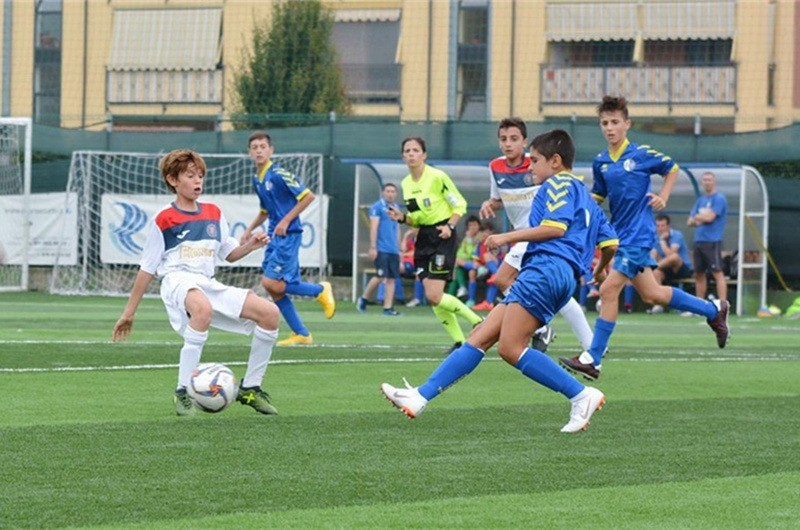
В этом руководстве сравниваются Падель против пиклбола В основе подхода лежит анализ потребностей инвесторов: размер рынка, популярность по регионам, стоимость строительства судов, логика расчета рентабельности инвестиций и потенциал долгосрочного роста. Также включены практические модели и таблицы для принятия решений, которые помогут вам выбрать оптимальную стратегию строительства судов.
Оглавление
- Краткое содержание (для занятых читателей)
- 1) Что такое падель? Что такое пиклбол? (Упрощенное для инвесторов определение)
- 2) Размер рынка: “Больше игроков” против “Больше коммерческой ценности”
- 3) Популярность по регионам (где каждый вид спорта лидирует)
- 4) Создание судов: сложность, стоимость и сроки.
- 5) Сравнение стоимости: площадка для падела и площадка для пиклбола (ориентировочный диапазон)
- 6) Логика ROI: почему падель часто монетизируется лучше.
- 7) Долгосрочный потенциал (2026–2035): у какого из них лучшие перспективы?
- 8) Комплект для игры в падел: что входит в комплект? (Руководство по выбору прицела Arturf)
- 9) Лучшая стратегия для инвесторов: комбинация падела и пиклбола.
- 10) Итоговый вердикт: какой из них вам следует построить?
- Сотрудничайте с профессиональным поставщиком кортов для падела (производитель из Китая).
- Часто задаваемые вопросы
Краткое содержание (для занятых читателей)
- В пиклболе в настоящее время больше игроков., особенно в Северной Америке.
- Падел создает более ценные проекты кортов а также более развитая экономика премиум-клубов на международном уровне.
- Пиклбол проще масштабировать. (недорогие суды), в то время как Падел проще монетизировать. (премиум-позиционирование + 4 игрока на одно бронирование).
Наилучший практический вывод: Если вы строите спортивный комплекс премиум-класса, Корты для падела часто приносят более высокий доход с каждого корта.. Если ваша цель — массовое участие при ограниченном бюджете, мяч для пиклбола расширяется быстрее.
1) Что такое падель? Что такое пиклбол? (Упрощенное для инвесторов определение)
Что такое Падель?
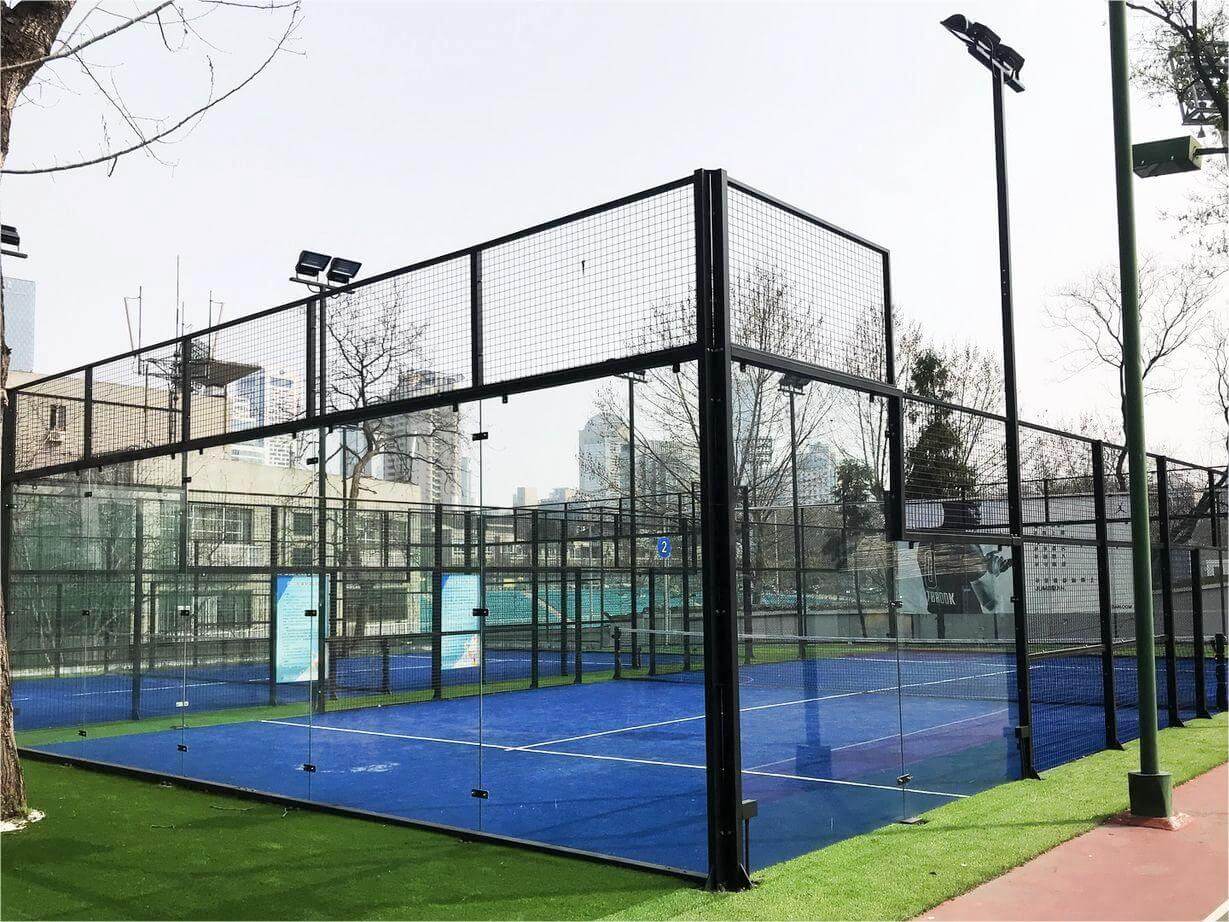
Падел обычно играют в падел. 2 против 2 в закрытой судебной системе, которая включает в себя:
- Стальная конструкция
- Стены из закаленного стекла
- Сетчатое ограждение
- Искусственное газонное покрытие (обычно с песчаной засыпкой)
- Светодиодная система освещения (рекомендуется для коммерческого использования)
Поскольку стены являются частью игры, падель предлагает более длительные розыгрыши и активное социальное взаимодействие. С точки зрения бизнеса, падель — это спортивный объектЭто требует наличия полноценной профессиональной судебной системы, что также повышает ценность проекта.
Что такое пиклбол?
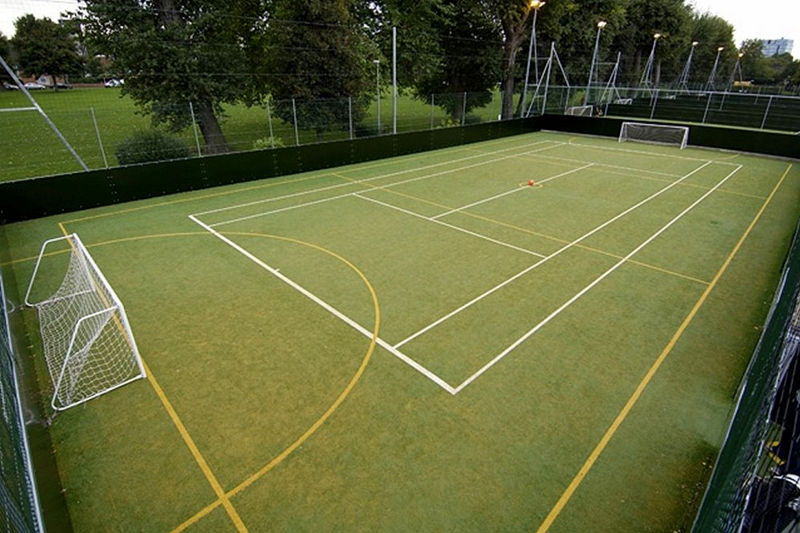
В пиклбол играют на открытом корте с твердым покрытием, на котором имеются:
- Бетонное/асфальтовое основание + покрытие
- Линейная разметка
- Сетевые столбы + сеть
Пиклбол — это участие в спортеПиклбол быстро развивается, потому что его легко освоить и дешевле строить корты, а многие корты для пиклбола создаются путем переоборудования существующих теннисных кортов.
2) Размер рынка: “Больше игроков” против “Больше коммерческой ценности”
Многие онлайн-сравнения фокусируются только на количестве игроков. Но для инвесторов и поставщиков существуют два разных рынка:
Рынок А: Участие (количество игроков)
В настоящее время в пиклболе участвует больше людей., В основном благодаря усилиям США и Канады, проект отличается низким порогом освоения и активным внедрением в общественную жизнь.
Рынок B: Рыночная стоимость строительства и оборудования для спортивных площадок.
Падел имеет более высокую рыночную стоимость за корт. Потому что полноценный корт для падела включает в себя сталь, стекло, газон, освещение и аксессуары. Один проект по созданию корта для падела может быть равен по стоимости нескольким кортам для пиклбола — особенно если корты для пиклбола представляют собой просто переоборудованные площадки с покраской.
Таблица 1 — Сравнение рынков (с точки зрения бизнеса)
| Метрическая система | Пиклбол | Падель |
|---|---|---|
| Скорость роста числа игроков | ★★★★★ | ★★★★☆ |
| Стоимость проекта суда | ★★☆☆☆ | ★★★★★ |
| Лучше всего подходит для общественных/муниципальных судов. | ★★★★★ | ★★☆☆☆ |
| Лучший вариант для бизнеса премиум-класса. | ★★★☆☆ | ★★★★★ |
| Лучший вариант для экспортеров/поставщиков. | ★★☆☆☆ | ★★★★★ |
3) Популярность по регионам (где каждый вид спорта лидирует)
“Победитель” во многом зависит от географического положения. Это важно для инвесторов и дистрибьюторов, планирующих импорт.
Северная Америка (США и Канада)
- Пиклбол — явный лидер. в участии.
- Широкое распространение среди местных сообществ, школ и общественных спортивных сооружений.
Европа (Испания, Италия, Франция, Швеция, Нидерланды и др.)
- Падел является явным лидером..
- Сильная клубная культура и премиальное позиционирование.
Ближний Восток (ОАЭ, Саудовская Аравия, Катар, Кувейт, Бахрейн)
- Падел развивается невероятно быстро..
- Идеально подходит для элитных клубов и спортивных мероприятий в социальных сетях.
Африка (Южная Африка, Марокко, Египет, Кения, Нигерия и др.)
- Падел стремительно развивается. в крупных городах и курортах.
- Высокий потенциал для реализации проектов по созданию спортивных клубов премиум-класса и объектов туристической инфраструктуры.
Таблица 2 — Краткий обзор популярности
| Область | Более популярно сегодня | Более сильный фактор роста |
|---|---|---|
| США | Пиклбол | Внедрение в сообществе + низкая стоимость входа |
| Европа | Падель | Клубная культура + премиальное позиционирование в спорте |
| Средний Восток | Падель | Премиальный образ жизни + спрос на спорт в неформальной обстановке |
| Африка | Падель (быстрорастущая) | Туризм + элитные клубы + новые захватывающие спортивные события |
4) Создание судов: сложность, стоимость и сроки.
Строительство площадки для пиклбола
Для игры в пиклбол обычно требуется:
- Бетонное/асфальтовое основание
- Акриловое покрытие / живопись
- Разметка линии
- Сетевая система
- Дополнительно: ограждение и освещение.
Многие площадки для пиклбола строятся путем переоборудования теннисных кортов, что снижает затраты и ускоряет установку.
Строительство кортов для падела
Площадка для падела — это полноценный спортивный комплекс. Для её строительства требуется:
- Бетонный фундамент с точным выравниванием.
- Монтаж стальных конструкций
- Установка закаленного стекла
- Установка сетчатого ограждения
- Укладка искусственного газона (обычно с песчаным наполнителем)
- Проектирование и монтаж светодиодного освещения
Это делает падель более сложным, но и более престижным и ценным.
5) Сравнение стоимости: площадка для падела и площадка для пиклбола (ориентировочный диапазон)
Затраты варьируются в зависимости от страны, трудозатрат, строительных работ и технических требований. Но для планирования инвестиций эта таблица представляет собой реалистичную модель сравнения.
Таблица 3 — Типичный диапазон цен (только для справки)
| Статья затрат | Площадка для пиклбола | Падель Корт |
|---|---|---|
| Гражданский фундамент / основание | Низкий до среднего | Середина |
| Основные конструкционные материалы | Очень низкий | Высокая (сталь + стекло + сетка) |
| Поверхностная система | Акрил / покрытие | Искусственный газон + песчаная засыпка |
| Осветительные приборы | Необязательный | Настоятельно рекомендуется для ведения бизнеса. |
| Типичный общий уровень инвестиций | Низкий | Средний до высокого |
Важное примечание: Даже если производство падела обходится дороже, он часто обеспечивает более высокую окупаемость инвестиций благодаря премиальной цене и более высокому доходу в час.
6) Логика ROI: почему падель часто монетизируется лучше.
Рентабельность инвестиций (ROI) зависит не только от стоимости строительства — она в первую очередь связана с... доход в час и использование суда.
Ключевое преимущество монетизации падела
В паделе почти всегда играют в парном разряде (4 игрока на одно бронирование). В результате получается:
- Более высокая выручка в час
- Более эффективное использование
- Более высокая ценность членства
- Более простые турниры и мероприятия
- Более эффективное удержание игроков в коллективе (игроки приводят друзей).
Реальность монетизации пиклбола
Пиклбол также может приносить значительный доход, но часто сталкивается со следующими проблемами:
- Снижение цен обусловлено переизбытком предложения.
- Больше “культуры публичных/бесплатных судебных заседаний”
- Меньше различий между клубами
7) Долгосрочный потенциал (2026–2035): у какого из них лучшие перспективы?
Долгосрочные перспективы пиклбола
Сильные стороны:
- Самая высокая скорость внедрения
- Недорогая инфраструктура
- Сильный импульс в Северной Америке
Риски:
- В некоторых городах наблюдается избыток предложения.
- Ценовая конкуренция
- Ограниченная премиальная дифференциация
Долгосрочный прогноз развития падела
Сильные стороны:
- Тенденция к международной экспансии
- Премиальное позиционирование клуба
- Сильная культура социальных сетей
- Высокая стоимость проекта и стабильный спрос в цепочке поставок.
Риски:
- Более высокие первоначальные инвестиции
- Необходимо улучшить организацию работы клуба и маркетинг.
8) Комплект для игры в падел: что входит в комплект? (Руководство по выбору прицела Arturf)
Многие покупатели спрашивают: “Что входит в комплект для падела?” Ответ на этот вопрос важен для планирования бюджета, доставки и установки.
Таблица 4 — Компоненты стандартного комплекта для падела
| Система | Компоненты | Примечания |
|---|---|---|
| Стальная конструкция | Столбы, балки, кронштейны, опорные плиты, болты | Варианты горячего цинкования + порошковой окраски |
| Закаленное стекло | Стеклянные панели, отверстия/зенковка по мере необходимости. | Высокие стандарты безопасности; подходит для использования на открытом воздухе. |
| Сетчатый забор | Сварные сетчатые панели, крепежные детали | Надежная и экономичная защита |
| Искусственный газон | Рулоны искусственного газона для падела + инструкция по установке | Обычно используется система газона с песчаным наполнителем. |
| Система освещения | Светодиодные светильники, столбы, кронштейны | Рекомендуется для коммерческой эксплуатации |
| аксессуары | Опоры для сетки, сетка, дверь/замки, защитные накладки. | Зависит от конфигурации |
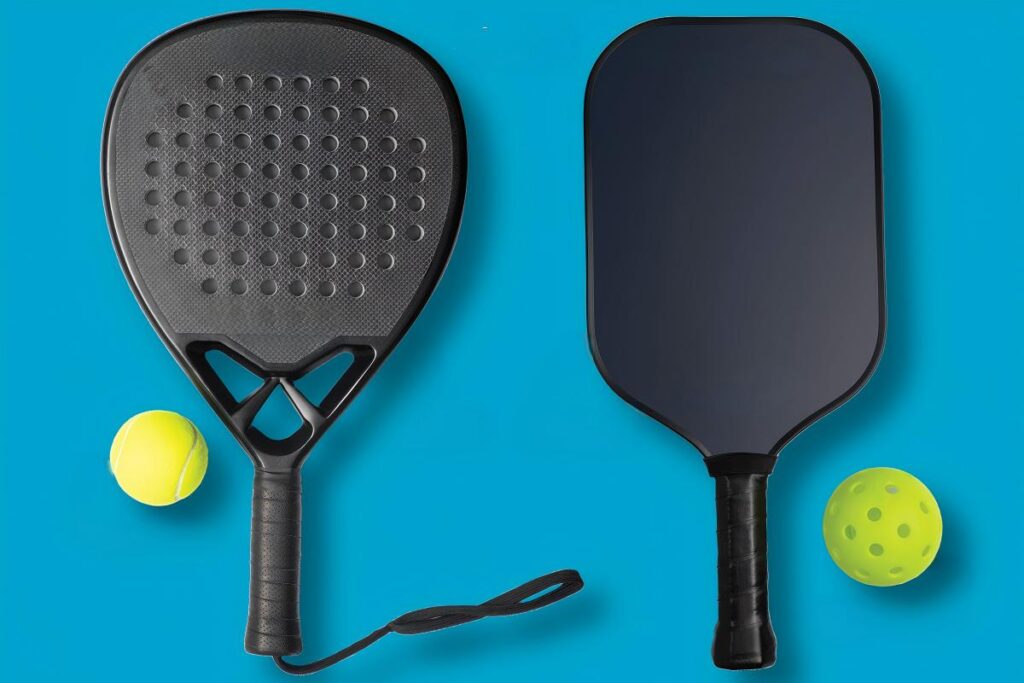
Примечание: Крышные покрытия, ракетки/мячи, изготовленные на заказ, и специальные аксессуары обычно предлагаются отдельно в зависимости от потребностей проекта.
9) Лучшая стратегия для инвесторов: комбинация падела и пиклбола.
Многие современные спортивные сооружения используют смешанную модель:
- корты для падела в качестве источников премиального дохода
- Корты для пиклбола в качестве дополнительных элементов с высокой степенью вовлеченности
Эта стратегия повышает ценность бренда, эффективность использования и удержание клиентов.
10) Итоговый вердикт: какой из них вам следует построить?
Пиклбол Сегодня уровень участия выше (особенно в Северной Америке). Но Падель имеет более сильные позиции в экономической сфере премиум-клубов и в международной экспансии.
Если ваша цель — построить первоклассный спортивный комплекс с высокой долгосрочной окупаемостью инвестиций:
→ Падел зачастую оказывается более выгодным вложением средств.
Если ваша цель — массовое участие при небольших затратах и быстром масштабировании:
→ Пиклбол — более быстрый вариант.
Сотрудничайте с профессиональным поставщиком кортов для падела (производитель из Китая).
Arturf — профессиональный производитель и экспортер в Китае, предлагающий:
- Полные комплекты для строительства кортов для падела (сталь + стекло + сетка)
- Системы искусственного газона для падела
- Светодиодные решения для освещения
- Запасные части и поддержка при установке.
Связаться с нами для:
- Рекомендуемая конфигурация корта
- Технические характеристики
- смета расходов проекта
- Упаковочный лист и план отгрузки
Часто задаваемые вопросы
Падель популярнее пиклбола?
Пиклбол более популярен в Северной Америке, в то время как падел — в Европе и на Ближнем Востоке. В Африке и многих развивающихся странах падел быстро набирает популярность в крупных городах и курортах.
Какой вид спорта имеет больший рынок: падель или пиклбол?
Пиклбол пользуется большей популярностью. Однако для падела обычно требуются более дорогостоящие строительные проекты, поскольку в его конструкции используются стальные опоры, закаленное стекло, искусственный газон и системы освещения.
Какой вид спорта обладает большим инвестиционным потенциалом?
Падел часто представляет собой более привлекательный инвестиционный потенциал для клубов премиум-класса, поскольку он обеспечивает более высокий доход с каждого корта, сильную корпоративную культуру и премиальные цены на почасовую аренду.
Может ли спортивный комплекс предлагать одновременно корты для падела и пиклбола?
Да. Во многих современных спортивных комплексах падел используется в качестве флагманских кортов премиум-класса, а также добавляются корты для пиклбола, чтобы расширить взаимодействие с местным сообществом и максимально эффективно использовать площадку.