








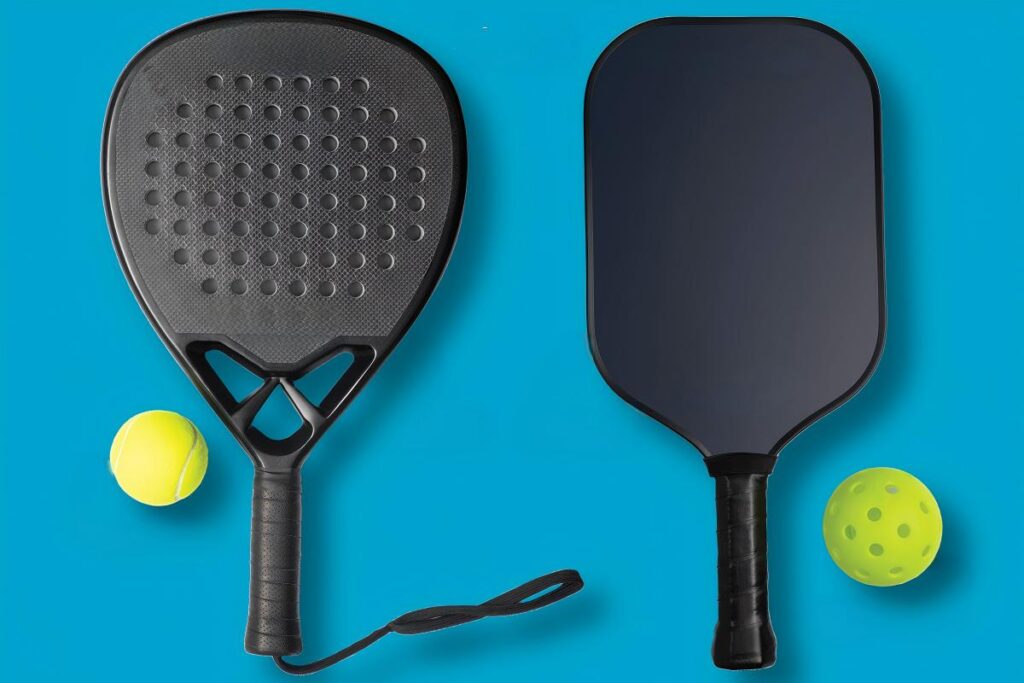
Hướng dẫn này so sánh Padel vs Pickleball Sử dụng khuôn khổ tập trung vào nhà đầu tư: quy mô thị trường, mức độ phổ biến theo khu vực, chi phí xây dựng sân bóng, logic lợi tức đầu tư (ROI) và tiềm năng tăng trưởng dài hạn. Nó cũng bao gồm các mô hình và bảng biểu quyết định thiết thực để giúp bạn lựa chọn chiến lược sân bóng tốt nhất.
Mục lục
- Tóm tắt nhanh (Dành cho người đọc bận rộn)
- 1) Padel là gì? Pickleball là gì? (Định nghĩa dễ hiểu cho nhà đầu tư)
- 2) Quy mô thị trường: “Nhiều người chơi hơn” so với “Giá trị kinh doanh cao hơn”
- 3) Mức độ phổ biến theo khu vực (Nơi mỗi môn thể thao giành chiến thắng)
- 4) Xây dựng sân bóng: Độ phức tạp, chi phí và tiến độ
- 5) So sánh chi phí: Sân Padel so với sân Pickleball (khoảng chi phí ước tính)
- 6) Logic về lợi nhuận đầu tư (ROI): Tại sao Padel thường mang lại lợi nhuận tốt hơn?
- 7) Tiềm năng dài hạn (2026–2035): Cái nào có tương lai tốt hơn?
- 8) Bộ dụng cụ sân Padel: Bao gồm những gì? (Hướng dẫn phạm vi Arturf)
- 9) Chiến lược tốt nhất cho nhà đầu tư: Kết hợp Padel + Pickleball
- 10) Kết luận cuối cùng: Bạn nên xây dựng cái nào?
- Làm việc với nhà cung cấp sân Padel chuyên nghiệp (nhà sản xuất Trung Quốc)
- Câu hỏi thường gặp
Tóm tắt nhanh (Dành cho người đọc bận rộn)
- Hiện tại, Pickleball có nhiều người chơi hơn., đặc biệt là ở Bắc Mỹ.
- Padel tạo ra các dự án sân tennis có giá trị cao hơn. và nền kinh tế câu lạc bộ cao cấp mạnh mẽ hơn trên phạm vi quốc tế.
- Pickleball dễ mở rộng quy mô hơn. (tòa án chi phí thấp), trong khi Padel dễ kiếm tiền hơn (Vị trí đặt chỗ cao cấp + 4 người chơi mỗi lượt đặt chỗ).
Kết luận thực tiễn tốt nhất: Nếu bạn đang xây dựng một cơ sở thể thao cao cấp, Các sân padel thường mang lại doanh thu cao hơn trên mỗi sân.. Nếu mục tiêu của bạn là thu hút đông đảo người tham gia với ngân sách thấp, Môn pickleball phát triển nhanh hơn.
1) Padel là gì? Pickleball là gì? (Định nghĩa dễ hiểu cho nhà đầu tư)
Padel là gì?
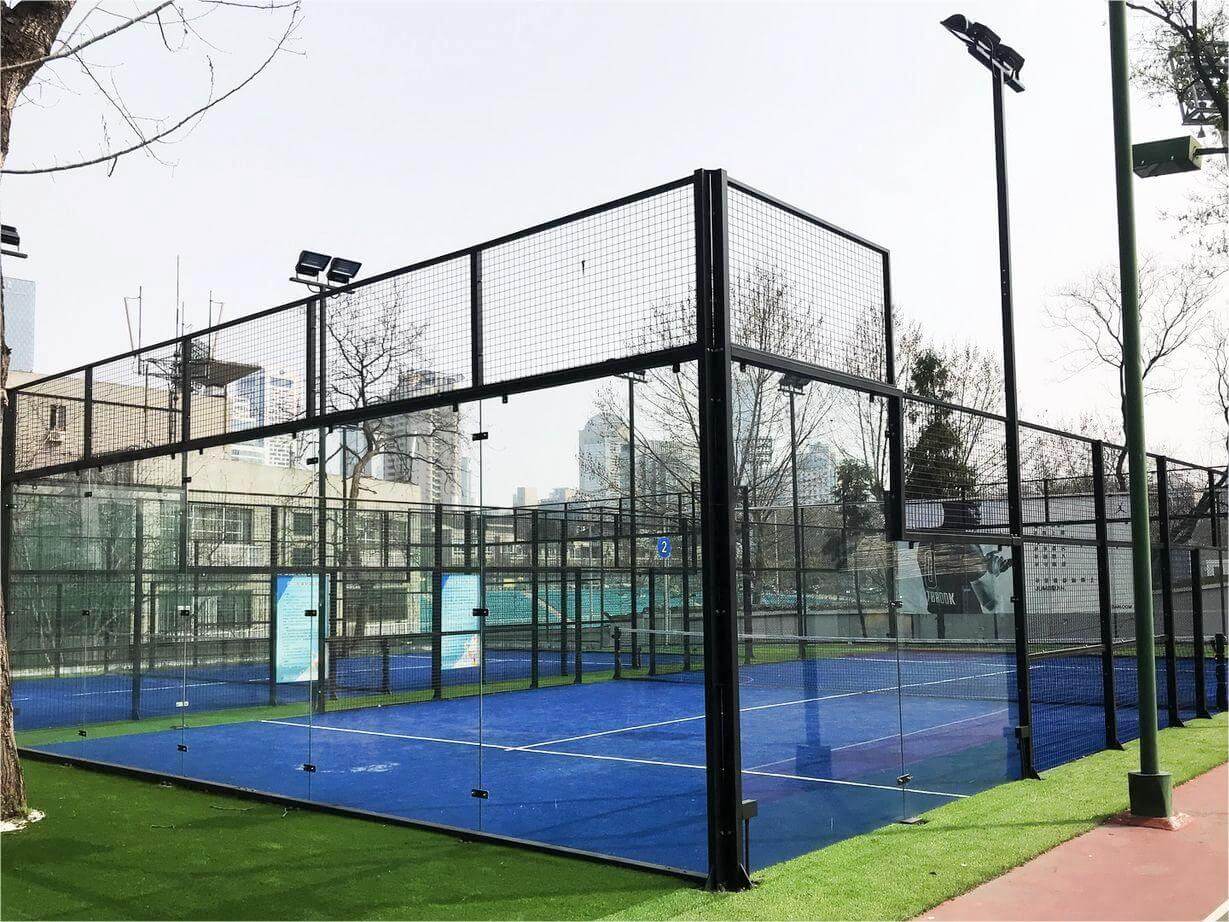
Padel thường được chơi 2 đấu 2 trên một hệ thống tòa án khép kín bao gồm:
- Kết cấu thép
- Tường kính cường lực
- hàng rào lưới
- Mặt sân cỏ nhân tạo (thường có lớp cát lấp đầy)
- Hệ thống chiếu sáng LED (khuyến nghị sử dụng cho mục đích thương mại)
Vì các bức tường là một phần của trò chơi, padel mang đến những pha giao bóng dài hơn và sự tương tác xã hội mạnh mẽ. Từ góc độ kinh doanh, padel là một... cơ sở thể thaoĐiều này đòi hỏi một hệ thống tòa án chuyên nghiệp hoàn chỉnh, từ đó tạo ra giá trị dự án cao hơn.
Pickleball là gì?
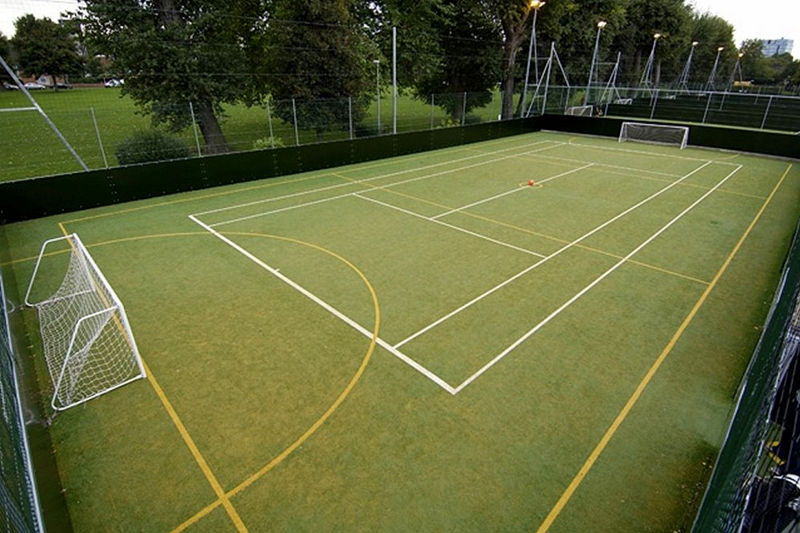
Pickleball được chơi trên một sân cứng ngoài trời với:
- Lớp nền bê tông/nhựa đường + lớp phủ
- Vạch kẻ đường
- Cột lưới + lưới
Pickleball là một môn thể thao tham gia thể thaoMôn thể thao này phát triển nhanh chóng vì dễ học và chi phí xây dựng sân rẻ hơn, và nhiều sân pickleball được tạo ra bằng cách chuyển đổi các sân tennis hiện có.
2) Quy mô thị trường: “Nhiều người chơi hơn” so với “Giá trị kinh doanh cao hơn”
Nhiều bài so sánh trực tuyến chỉ tập trung vào số lượng người chơi. Nhưng đối với nhà đầu tư và nhà cung cấp, có hai thị trường khác nhau:
Thị trường A: Sự tham gia (Số lượng người chơi)
Hiện nay, Pickleball đang thu hút nhiều người tham gia hơn., Phương pháp này chủ yếu được thúc đẩy bởi Hoa Kỳ và Canada. Nó có lợi thế nhờ rào cản học tập thấp và sự chấp nhận mạnh mẽ từ cộng đồng/công chúng.
Thị trường B: Giá trị thị trường xây dựng và thiết bị tòa án
Padel có giá trị thị trường cao hơn trên mỗi sân. Bởi vì một sân padel hoàn chỉnh bao gồm thép, kính, cỏ nhân tạo, hệ thống chiếu sáng và các phụ kiện. Một dự án sân padel đơn lẻ có thể có giá trị tương đương với nhiều sân pickleball — đặc biệt là khi các sân pickleball chỉ đơn giản là được sơn lại.
Bảng 1 — So sánh thị trường (Góc nhìn kinh doanh)
| Số liệu | Pickleball | đệm |
|---|---|---|
| Tốc độ tăng trưởng của người chơi | ★★★★★ | ★★★★☆ |
| Giá trị dự án tòa án | ★★☆☆☆ | ★★★★★ |
| Phù hợp nhất cho các tòa án công cộng/cộng đồng. | ★★★★★ | ★★☆☆☆ |
| Phù hợp nhất cho kinh doanh câu lạc bộ cao cấp | ★★★☆☆ | ★★★★★ |
| Phù hợp nhất cho các nhà xuất khẩu/nhà cung cấp | ★★☆☆☆ | ★★★★★ |
3) Mức độ phổ biến theo khu vực (Nơi mỗi môn thể thao giành chiến thắng)
Yếu tố “thắng cuộc” phụ thuộc rất nhiều vào vị trí địa lý. Điều này rất quan trọng đối với các nhà đầu tư và nhà phân phối đang lên kế hoạch nhập khẩu.
Bắc Mỹ (Hoa Kỳ và Canada)
- Pickleball rõ ràng là môn thể thao hàng đầu. trong sự tham gia.
- Được cộng đồng, trường học và các cơ sở thể thao công cộng đón nhận mạnh mẽ.
Châu Âu (Tây Ban Nha, Ý, Pháp, Thụy Điển, Hà Lan, v.v.)
- Padel rõ ràng là người dẫn đầu..
- Văn hóa câu lạc bộ mạnh mẽ và vị thế cao cấp.
Trung Đông (UAE, Ả Rập Xê Út, Qatar, Kuwait, Bahrain)
- Padel đang phát triển cực kỳ nhanh chóng..
- Phù hợp hoàn hảo với các câu lạc bộ phong cách sống cao cấp và các hoạt động thể thao kết nối mạng xã hội.
Châu Phi (Nam Phi, Ma-rốc, Ai Cập, Kenya, Nigeria, v.v.)
- Padel đang mở rộng nhanh chóng tại các thành phố lớn và khu nghỉ dưỡng.
- Tiềm năng cao cho các dự án câu lạc bộ thể thao cao cấp và các cơ sở liên quan đến du lịch.
Bảng 2 — Tổng quan về mức độ phổ biến
| Vùng đất | Phổ biến hơn hôm nay | Động lực tăng trưởng mạnh mẽ hơn |
|---|---|---|
| Hoa Kỳ | Pickleball | Được cộng đồng đón nhận + chi phí ban đầu thấp |
| Châu Âu | đệm | Văn hóa câu lạc bộ + định vị thể thao cao cấp |
| Trung Đông | đệm | Phong cách sống cao cấp + nhu cầu thể thao xã hội |
| Châu phi | Padel (phát triển nhanh) | Du lịch + câu lạc bộ cao cấp + sự hứng khởi mới trong thể thao |
4) Xây dựng sân bóng: Độ phức tạp, chi phí và tiến độ
Xây dựng sân Pickleball
Một sân chơi pickleball thường cần:
- Nền bê tông/nhựa đường
- Lớp phủ/sơn acrylic
- Vạch kẻ đường
- Hệ thống mạng
- Hàng rào và đèn chiếu sáng (tùy chọn)
Nhiều sân pickleball được xây dựng bằng cách chuyển đổi sân tennis, giúp giảm chi phí và đẩy nhanh tiến độ thi công.
Xây dựng sân Padel
Sân padel là một cơ sở thể thao hoàn chỉnh. Nó bao gồm:
- Móng bê tông với độ san lấp chính xác.
- Lắp đặt kết cấu thép
- Lắp đặt kính cường lực
- Lắp đặt hàng rào lưới
- Thi công thảm cỏ nhân tạo (thường dùng cát làm chất độn)
- Thiết kế và lắp đặt hệ thống chiếu sáng LED
Điều này khiến môn padel trở nên phức tạp hơn — nhưng đồng thời cũng cao cấp hơn và có giá trị hơn.
5) So sánh chi phí: Sân Padel so với sân Pickleball (khoảng chi phí ước tính)
Chi phí thay đổi tùy thuộc vào quốc gia, nhân công, công trình dân dụng và thông số kỹ thuật. Nhưng để lập kế hoạch đầu tư, bảng này cung cấp một mô hình so sánh thực tế.
Bảng 3 — Khoảng giá tham khảo (Chỉ mang tính chất tham khảo)
| Mục chi phí | Sân Pickleball | Tòa án Padel |
|---|---|---|
| Nền móng/cơ sở xây dựng dân dụng | Thấp đến trung bình | Trung bình |
| Vật liệu cấu trúc chính | Rất thấp | Cao (thép + kính + lưới) |
| Hệ thống bề mặt | Acrylic / lớp phủ | Cỏ nhân tạo + lớp cát lấp đầy |
| Thắp sáng | Không bắt buộc | Rất được khuyến nghị cho hoạt động kinh doanh. |
| Mức đầu tư tổng thể điển hình | Thấp | Trung bình đến cao |
Lưu ý quan trọng: Mặc dù chi phí xây dựng sân padel có thể cao hơn, nhưng nó thường mang lại lợi nhuận đầu tư (ROI) tốt hơn nhờ giá bán cao hơn và doanh thu mỗi giờ cao hơn.
6) Logic về lợi nhuận đầu tư (ROI): Tại sao Padel thường mang lại lợi nhuận tốt hơn?
Lợi tức đầu tư (ROI) không chỉ liên quan đến chi phí xây dựng — mà chủ yếu là về... doanh thu mỗi giờ và sử dụng sân.
Lợi thế kiếm tiền chính của Padel
Padel hầu như luôn chơi đôi (4 người chơi mỗi lượt). Điều này tạo ra:
- Doanh thu cao hơn mỗi giờ
- Sử dụng hiệu quả hơn
- Giá trị thành viên cao hơn
- Các giải đấu và sự kiện dễ dàng hơn
- Khả năng giữ chân người chơi trên mạng xã hội cao hơn (người chơi giới thiệu bạn bè)
Thực tế về việc kiếm tiền từ Pickleball
Pickleball cũng có thể tạo ra doanh thu đáng kể, nhưng thường gặp phải các vấn đề sau:
- Giá giảm do nguồn cung dư thừa
- Văn hóa "tòa án công khai/tự do" ngày càng phát triển.“
- Sự khác biệt giữa các câu lạc bộ ngày càng ít.
7) Tiềm năng dài hạn (2026–2035): Cái nào có tương lai tốt hơn?
Triển vọng dài hạn của Pickleball
Điểm mạnh:
- Tốc độ áp dụng nhanh nhất
- Cơ sở hạ tầng chi phí thấp
- Động lực mạnh mẽ của Bắc Mỹ
Rủi ro:
- Tình trạng dư cung ở một số thành phố
- Cạnh tranh về giá
- Sự khác biệt về mức phí bảo hiểm hạn chế
Triển vọng dài hạn của Padel
Điểm mạnh:
- Xu hướng mở rộng quốc tế
- Vị trí câu lạc bộ cao cấp
- Văn hóa mạng xã hội mạnh mẽ
- Giá trị dự án cao và nhu cầu chuỗi cung ứng ổn định
Rủi ro:
- Chi phí đầu tư ban đầu cao hơn
- Cần cải thiện hoạt động và tiếp thị của câu lạc bộ.
8) Bộ dụng cụ sân Padel: Bao gồm những gì? (Hướng dẫn phạm vi Arturf)
Nhiều người mua thường hỏi: “Bộ dụng cụ sân padel bao gồm những gì?” Câu trả lời rất quan trọng đối với việc lập ngân sách, vận chuyển và lên kế hoạch lắp đặt.
Bảng 4 — Các thành phần tiêu chuẩn của bộ dụng cụ sân Padel
| Hệ thống | Các thành phần | Ghi chú |
|---|---|---|
| Kết cấu thép | Cột, dầm, giá đỡ, tấm đế, bu lông | Các tùy chọn mạ kẽm nhúng nóng + sơn tĩnh điện |
| Kính cường lực | Các tấm kính, có lỗ/khoét chìm theo yêu cầu. | Tiêu chuẩn an toàn cao; thích hợp sử dụng ngoài trời. |
| Hàng rào lưới | Tấm lưới hàn, các bộ phận cố định | Bảo vệ bền bỉ và tiết kiệm chi phí |
| Cỏ nhân tạo | Thảm cỏ nhân tạo Padel + hướng dẫn lắp đặt | Thông thường hệ thống sân cỏ lấp đầy bằng cát |
| Hệ thống chiếu sáng | Đèn LED, cột đèn, giá đỡ | Được khuyến nghị cho hoạt động thương mại. |
| Phụ kiện | Cột lưới, lưới, cửa/khóa, tấm bảo vệ | Tùy thuộc vào cấu hình |
Ghi chú: Các loại mái che, vợt/bóng tùy chỉnh và các phụ kiện đặc biệt thường được cung cấp riêng tùy thuộc vào nhu cầu của dự án.
9) Chiến lược tốt nhất cho nhà đầu tư: Kết hợp Padel + Pickleball
Nhiều cơ sở thể thao hiện đại áp dụng mô hình kết hợp:
- sân Padel với tư cách là nguồn tạo doanh thu cao cấp
- Sân chơi Pickleball như các tiện ích bổ sung có mức độ tham gia cao
Chiến lược này giúp cải thiện giá trị thương hiệu, hiệu quả sử dụng và khả năng giữ chân khách hàng.
10) Kết luận cuối cùng: Bạn nên xây dựng cái nào?
Pickleball Hiện nay số người tham gia đông hơn (đặc biệt là ở Bắc Mỹ). Nhưng đệm có thế mạnh hơn về kinh tế câu lạc bộ cao cấp và mở rộng quốc tế.
Nếu mục tiêu của bạn là xây dựng một cơ sở thể thao cao cấp với lợi nhuận đầu tư dài hạn mạnh mẽ:
→ Padel thường là khoản đầu tư tốt hơn.
Nếu mục tiêu của bạn là thu hút sự tham gia rộng rãi với ngân sách thấp và mở rộng nhanh chóng:
→ Pickleball là lựa chọn nhanh hơn.
Làm việc với nhà cung cấp sân Padel chuyên nghiệp (nhà sản xuất Trung Quốc)
Arturf là nhà sản xuất và xuất khẩu chuyên nghiệp tại Trung Quốc, cung cấp:
- Bộ dụng cụ sân padel hoàn chỉnh (thép + kính + lưới)
- Hệ thống sân cỏ nhân tạo Padel
- Giải pháp chiếu sáng LED
- Phụ tùng thay thế và hỗ trợ lắp đặt
Liên hệ với chúng tôi vì:
- Cấu hình sân được đề xuất
- Thông số kỹ thuật
- Ước tính chi phí dự án
- Danh sách đóng gói và kế hoạch vận chuyển
Câu hỏi thường gặp
Môn Padel có phổ biến hơn môn Pickleball không?
Pickleball phổ biến hơn ở Bắc Mỹ, trong khi padel phổ biến hơn ở châu Âu và Trung Đông. Tại châu Phi và nhiều thị trường mới nổi, padel đang phát triển nhanh chóng ở các thành phố lớn và khu nghỉ dưỡng.
Môn thể thao nào có thị trường lớn hơn: padel hay pickleball?
Pickleball có số lượng người tham gia đông đảo hơn. Tuy nhiên, padel thường tạo ra các dự án xây dựng sân bãi có giá trị cao hơn vì nó bao gồm kết cấu thép, kính cường lực, cỏ nhân tạo và hệ thống chiếu sáng.
Môn thể thao nào có tiềm năng đầu tư cao hơn?
Padel thường mang lại tiềm năng đầu tư mạnh mẽ hơn cho các câu lạc bộ cao cấp vì nó hỗ trợ doanh thu cao hơn trên mỗi sân, văn hóa hội viên mạnh mẽ và giá thuê theo giờ cao cấp.
Một cơ sở thể thao có thể cung cấp cả sân chơi padel và pickleball không?
Đúng vậy. Nhiều cơ sở hiện đại sử dụng padel làm sân chính cao cấp và bổ sung thêm sân pickleball để mở rộng sự tham gia của cộng đồng và tối đa hóa việc sử dụng.